![Rowing Machine Handle Grip: Ergonomic Tips to Prevent Blisters[4][5][6]](/images/article/thumbnail/51c7025c-2054-482e-b66c-f0161ae38b95.avif)
Training, Technique & Benefits
Rowing Machine Handle Grip: Ergonomic Tips to Prevent Blisters[4][5][6]
21st Sep•9 min read
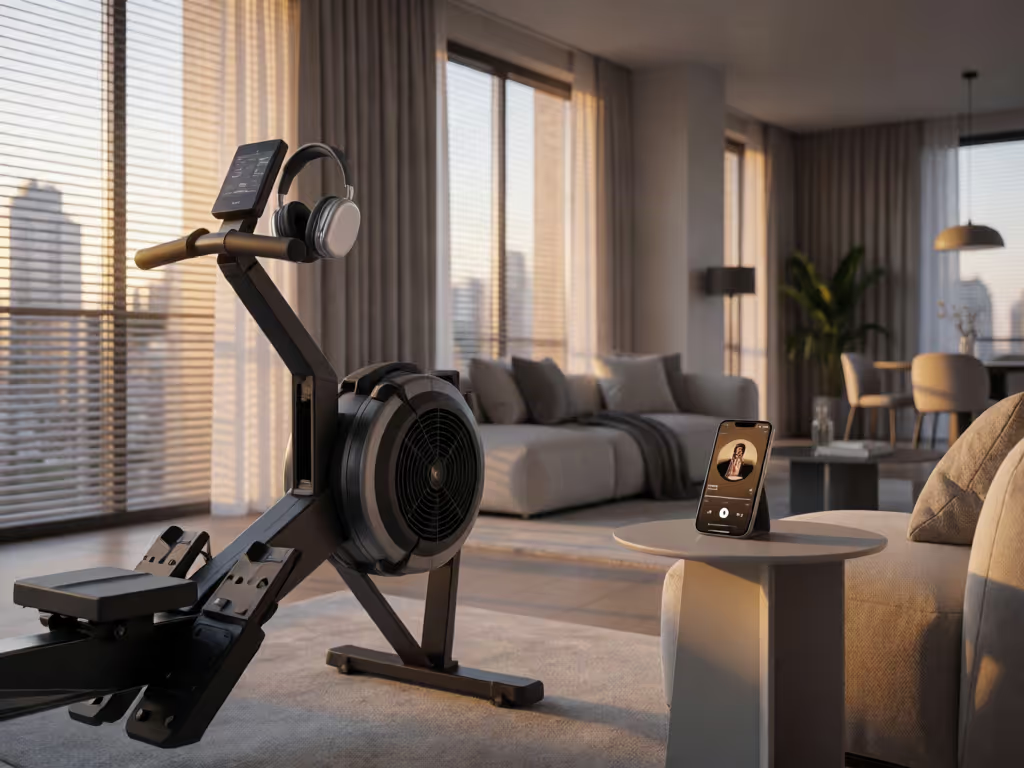
Build the rowing session around the machine’s displayed stroke rate and a timer, then use music or spoken cues as optional support. This keeps the workout measurable, calmer, and easier to repeat without forcing the song’s BPM to match your strokes.
Important: No evidence establishes a best rowing song, universal music tempo, or reliable BPM-to-stroke-rate conversion.
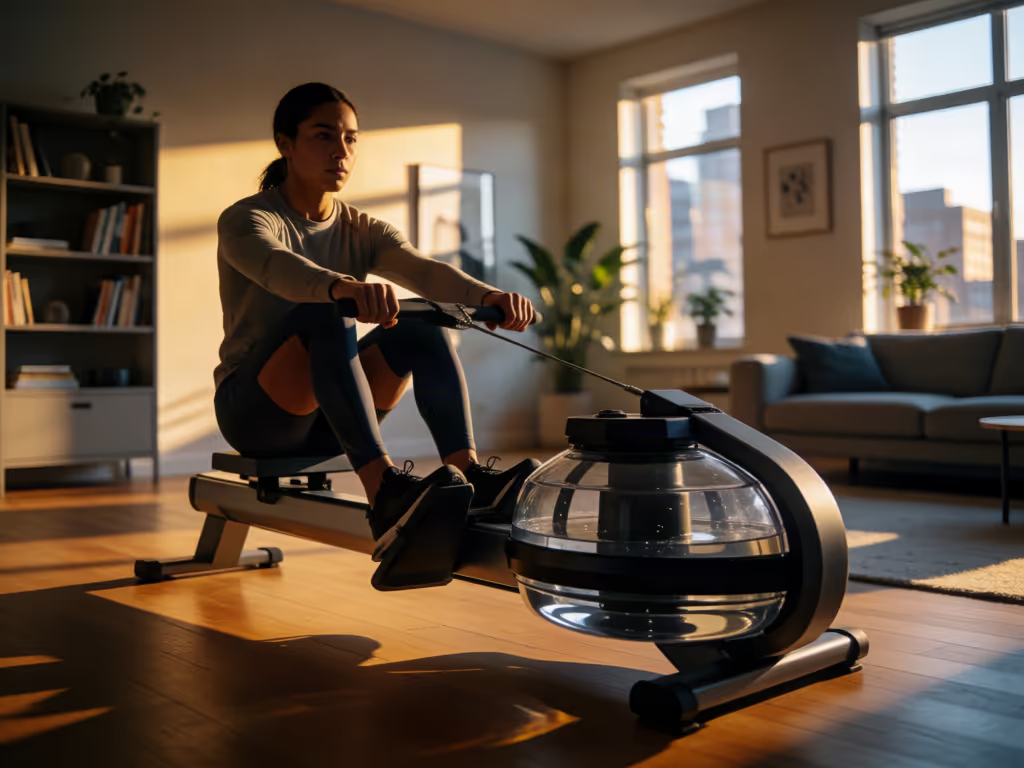
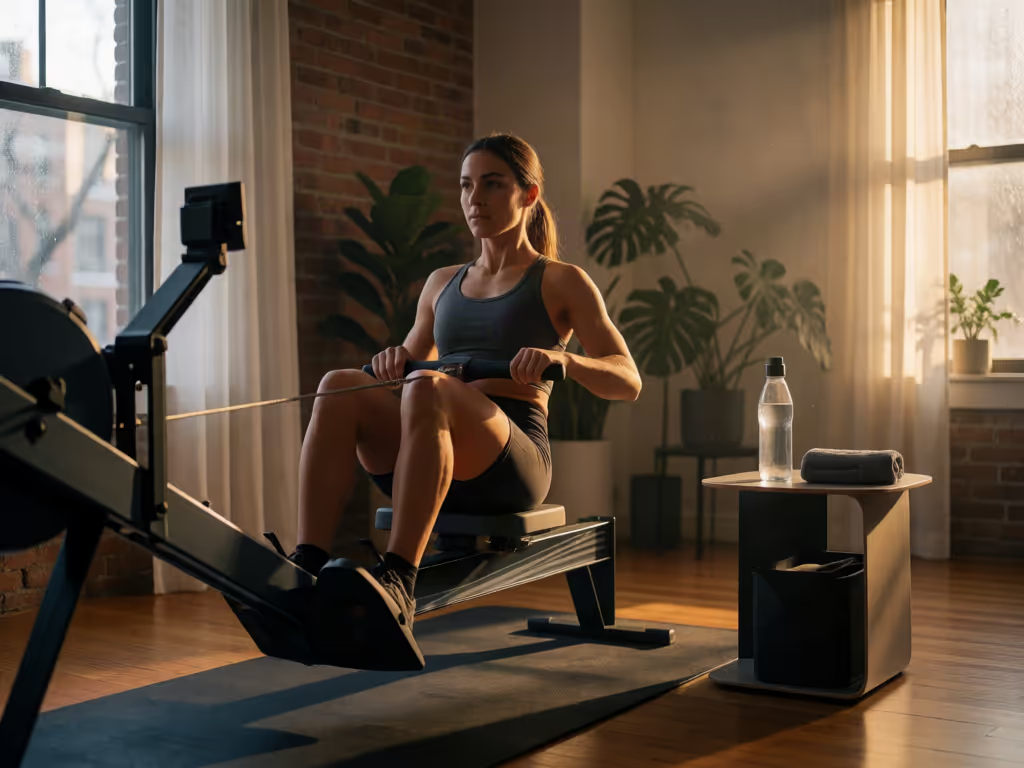
A rowing machine music playlist works best when it supports the session rather than tries to run it. For consistent rowing cadence music, use the rower's displayed stroke rate and a simple timer as your anchors; let music provide energy, familiarity, or a calmer atmosphere around them. That distinction matters in an apartment, a shared home, or a nap-time window: the goal is not a louder, more intense experience. It is a repeatable routine you can begin without negotiating with your surroundings.
Music during exercise has been associated with greater motivation and effort in broad exercise research. The rhythmic, calming side of rowing can also support the mental health benefits of rowing, especially when music helps make the session feel more restorative. But indoor rowing has one important wrinkle: a song's BPM is not the same thing as your stroke rate. Your monitor and timer provide the structure; your playlist is the layer that makes that structure easier to return to.
Good fit turns discipline into a habit you actually keep.
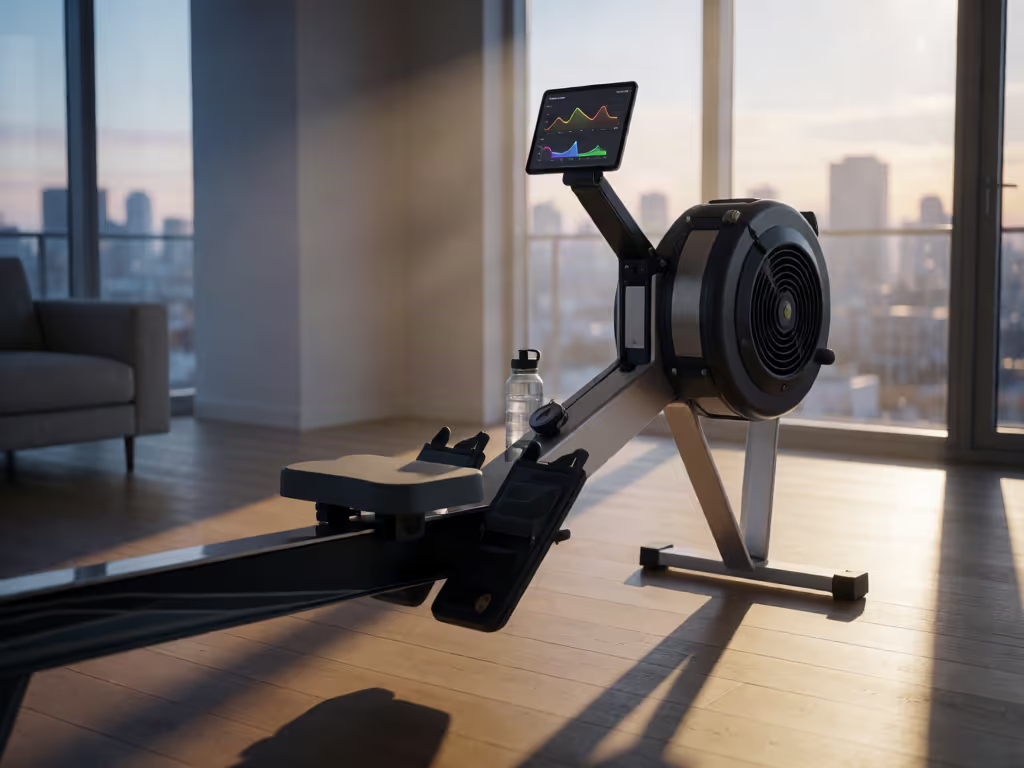
Start with the information your rowing machine can measure. On Concept2's Performance Monitor, stroke rate appears as s/m, meaning strokes per minute. Other rowers may label this metric differently, but the useful idea is the same: you need a visible cadence number that is separate from the music.
Create a short workout card in your notes app, on paper, or in your rower's interval display:
This makes the rowing interval timer (not the next chorus) the source of truth. It also prevents a common pacing error: speeding up simply because the music becomes more urgent.
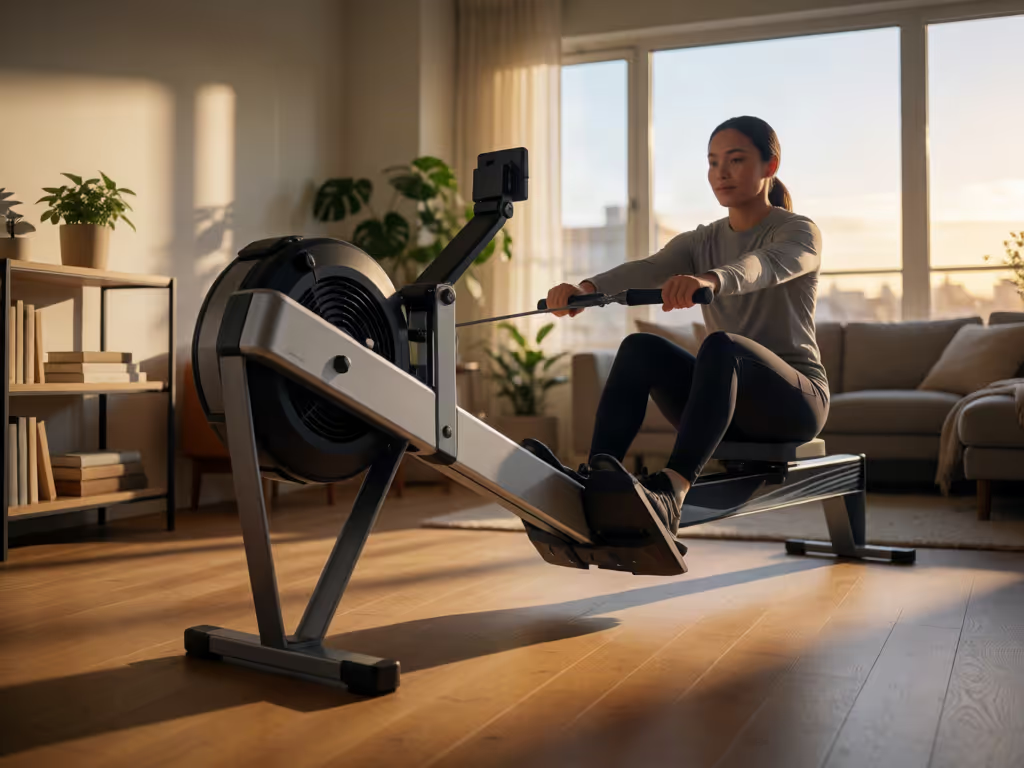
A useful comfort metric is whether you can keep your contact points stable while the session progresses: hands relaxed on the handle, feet settled in the stretchers, and a seat position that does not become distracting. For a refresher on proper rowing form, review each stroke phase before adding faster or more complex audio cues. If music makes you rush those basics, it is not helping the workout, regardless of how motivating it sounds.
Choose the session's stroke-rate plan first. Then choose audio that fits the total time and the emotional tone you want. You do not need to force every beat to correspond to a stroke.
That separation is especially useful when two people share a machine but prefer different audio. They can use the same timed structure and s/m targets while choosing entirely different music or spoken guidance.
A good rowing workout playlist has a job. Mixing several jobs at once (high-energy songs, technique coaching, timer alerts, and constant pace changes) can create more friction than focus. Pick one primary role for each workout.
Use this when you already know the session structure and want music that makes the time feel less repetitive. Choose familiar tracks that do not demand that you chase the beat. Lyrics may be welcome or distracting depending on the rower; there is no universal answer.
UCanRow2 offers a coaching suggestion for rowing playlists: relatively slow beats, often around 120 BPM or slower, with little to no lyrics. Treat that as a starting experiment, not a rule or an "optimal" tempo. The useful test is simple: can you look at the monitor, hold the planned s/m, and keep the stroke feeling unhurried?
If watching the monitor interrupts your focus, cue-led audio may be more useful than a music-only playlist. For example, the RowAlong podcast describes time-based workouts that guide stroke rate and training intensity while you row.
This format can suit a busy morning because the next instruction arrives without you needing to calculate it. Still, keep the display visible. Spoken cues are a prompt; the rower's actual s/m tells you what you are doing.
For many shared-home rowers, "quiet" is less about finding a special playlist and more about keeping the routine low-drama and predictable. A minimal soundtrack, a timer, or no music at all may be the right choice if you prefer less auditory clutter.
There is no supported formula here for speaker placement, headphone volume, or preventing sound transmission through walls and floors. If apartment noise is a concern, consider your rowing-machine setup separately from your playlist choices. Treat these as household-specific choices to test respectfully rather than as settings a playlist can solve.
Here are two manufacturer-provided beginner interval examples. They are templates, not prescriptions. Use only the elements that fit your current comfort and familiarity with the stroke.
The example varies effort from comfortable to harder across the pieces. For your playlist, that can mean one calm, familiar segment per three-minute piece and a quiet timer cue for the recovery. Do not assume the track's BPM should rise from 20 to 24: the stroke-rate display already gives you the measurable progression.
For each of four rounds:
This is a particularly clean format for music for indoor rowing because it has an obvious seven-minute cycle. Build a queue that is longer than the session so you are not reaching for controls midway through a piece. If you use a coaching track, choose one that clearly states time, stroke rate, and intensity changes.
After three uses, assess the playlist the way you would assess any part of your setup: by what it lets you repeat comfortably, using these ideas alongside a guide to rowing metrics and progress tracking.
Record four quick observations:
This last measure matters. Audio cannot correct an uncomfortable interface. But a playlist that does not pressure you to hurry gives you more room to notice and adjust what needs attention.
Call that comfort that removes excuses: a session with clear pacing, no frantic transitions, and enough mental space to keep the stroke composed.
Save your finished rowing workout playlist with a functional name, not a mood-only name. Try labels such as:
20-22-24 spm / 3-min steps4 x 5-min progression / easy rowing recoveriesSteady row / monitor-ledCue-led intervals / time-basedInclude the interval plan in the playlist description or in the first note on your phone. The next workout then begins with one decision (press play or start the timer) instead of rebuilding the session from scratch.
Avoid judging a playlist by whether it produces a dramatic single workout. Judge it by whether it helps you return to the rower with the same calm, measurable plan. The most useful rowing cadence music is the kind that leaves your stroke rate under your control and your routine easy to repeat.
There is no established universal best BPM, and there is no validated conversion from a song's BPM to rowing strokes per minute. UCanRow2 suggests relatively slow beats, usually around 120 BPM or slower, as a coaching preference. Use that only as a trial point. Keep your actual rowing rate on the monitor and choose music that lets you hold it without rushing.
Try one monitor-led interval session with background music, then repeat the same structure with cue-led audio or minimal sound. Keep the same timed pieces and s/m targets. Comparing those two sessions will tell you far more about your ideal playlist than chasing a supposedly perfect song.