![Rowing Machine Handle Grip: Ergonomic Tips to Prevent Blisters[4][5][6]](/images/article/thumbnail/51c7025c-2054-482e-b66c-f0161ae38b95.avif)
Training, Technique & Benefits
Rowing Machine Handle Grip: Ergonomic Tips to Prevent Blisters[4][5][6]
21st Sep•9 min read
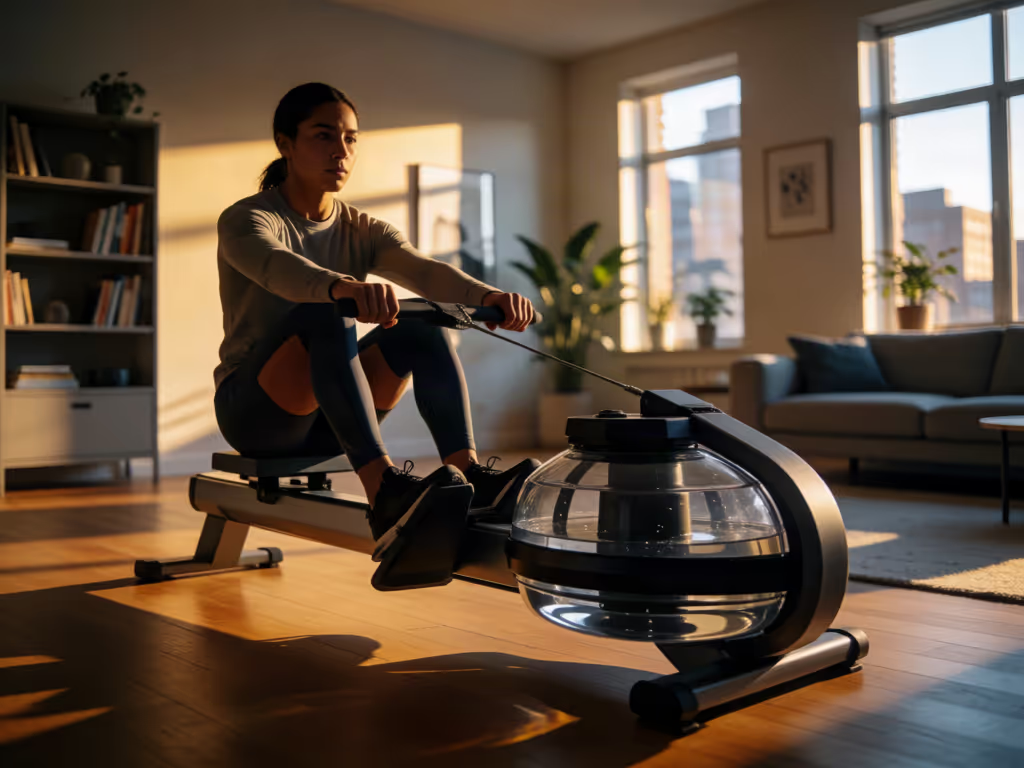
Use a 10-minute rowing block as a repeatable building block, not a complete workout by itself. Begin with five rounds of 1 minute easy rowing and 1 minute rest, using smooth legs–body–arms sequencing and conversational effort.
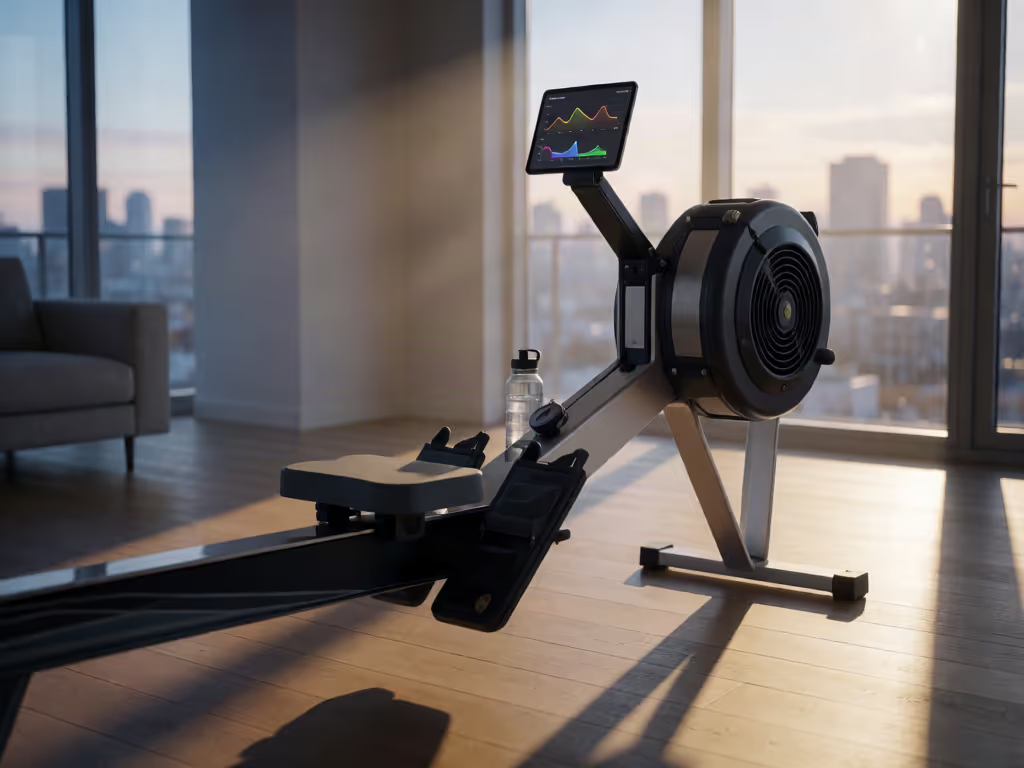
A 10 minute rowing workout can be a practical answer when the day is crowded and the rower is the one piece of equipment you can reach without a commute. These water rowing machine workouts are deliberately simple: one measured 10-minute rowing block, paced by breathing, stroke rate, and technique rather than a heroic number on the monitor. The goal is not to make ten minutes feel like an hour. It is to make it repeatable.
For a water-resistance rower (or any indoor rower), the routine below uses effort cues that travel better than a fixed pace target. Comfort is the more useful metric: can you keep the same stroke sequence, breathe as intended, and step away feeling like you could do it again tomorrow?
This tutorial uses a 10-minute work-and-rest block that is separate from warm-up and cool-down time.
That distinction matters. British Rowing's beginner plan includes 10-minute rowing prescriptions, while also asking for a separate 5-minute warm-up before every session and a 5-minute cool-down afterward. General exercise guidance, as explained in these rowing warm-up and cool-down protocols, likewise recommends gradually building intensity during a 5-10 minute warm-up and reducing it gradually for 5-10 minutes to cool down.
So choose the version that fits your calendar:
Do not turn the first hard strokes into your warm-up. In a short session, it is tempting to rush; it is rarely the efficient choice.
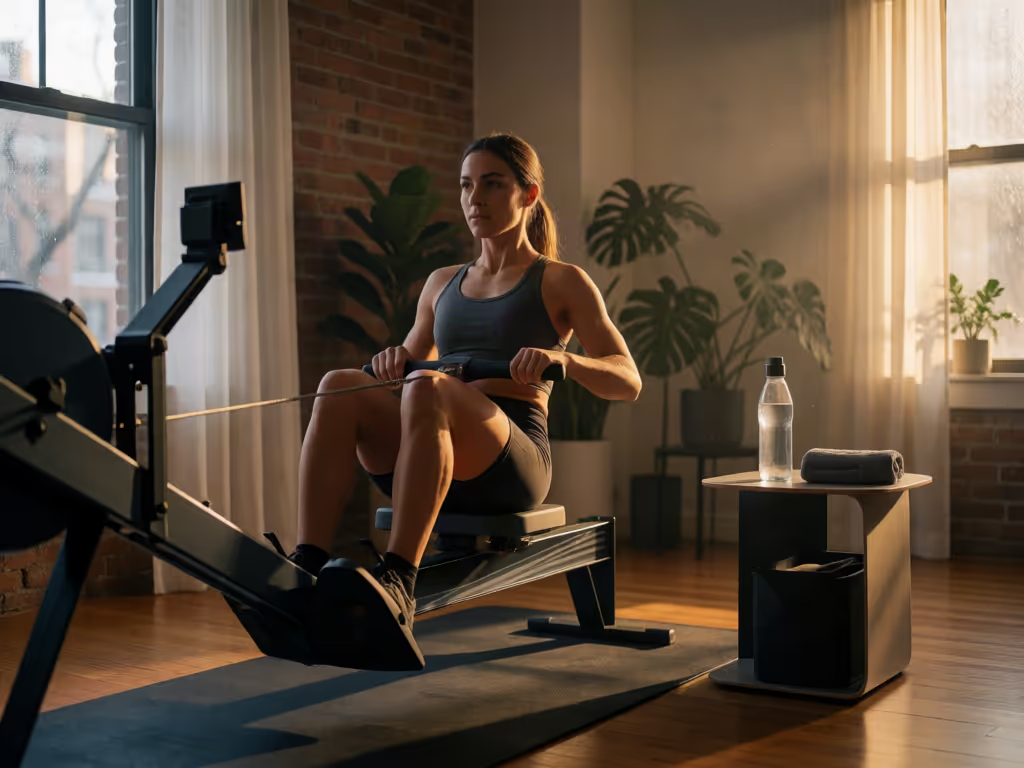
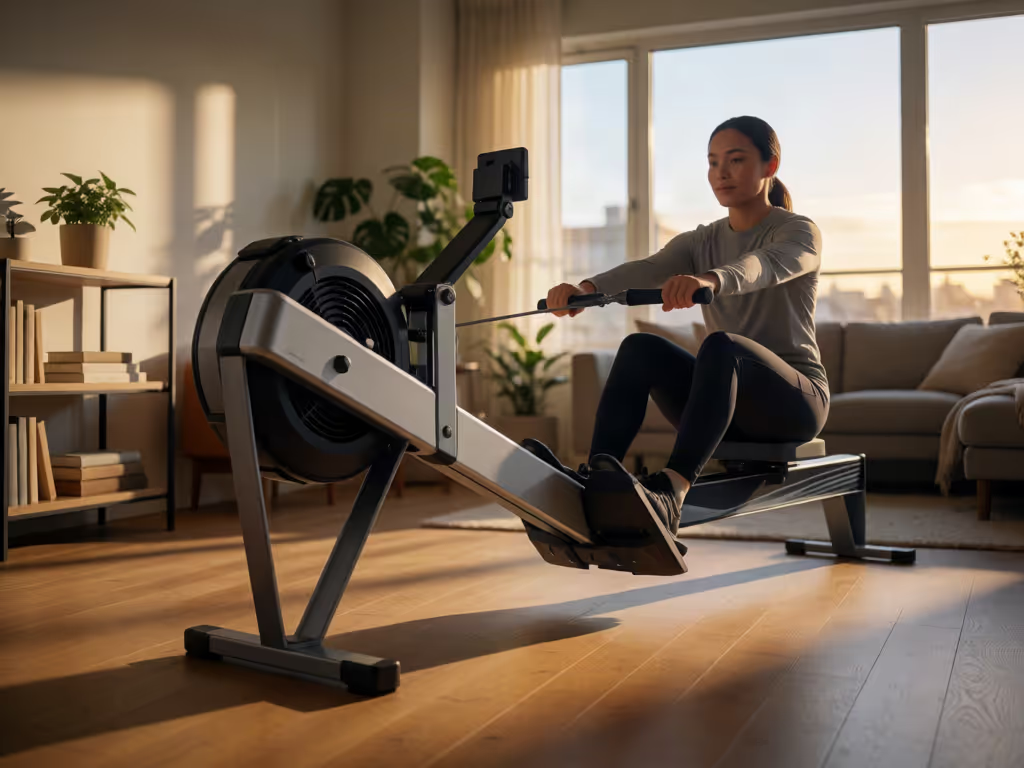
Before starting the timer, take 30 seconds to check how your feet, seat, and grip feel rather than bracing:
This is a lesson I learned after a persistent back twinge made an otherwise stress-relieving row feel like a negotiation. Small interface changes and a more honest look at hip and ankle position made the difference. In a micro workout, those details matter even more because there is no long ramp-in to hide an awkward setup.
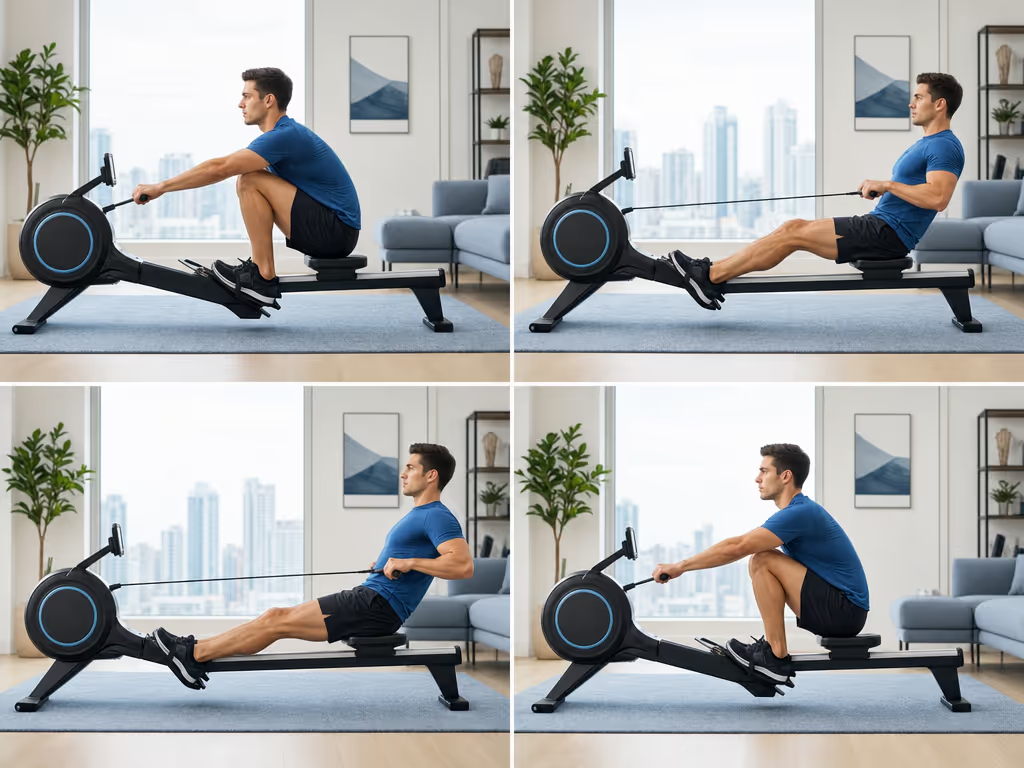
Use this plain cue for every stroke: For a detailed breakdown of each phase, review this proper rowing form guide before increasing your pace.
Drive: legs, body, arms. Recovery: arms, body, legs.
Keep that broad order consistent rather than adding pace before the sequence feels routine.
British Rowing suggests that beginners stay around 18-24 strokes per minute while technique is developing, with consistency prioritized over speed. Treat that as a guide, not a test you must pass. If a rate makes you rush the recovery, shorten the stroke or slow down.
Your check-in is simple: can you maintain the sequence without rushing? If not, slow down and reset.
Good fit turns discipline into a habit you actually keep.
This is the most approachable time efficient rowing routine for a busy schedule. It follows a published British Rowing beginner session: one minute of low-intensity rowing, then one minute of rest, repeated five times.
| Time | Action | What it should feel like |
|---|---|---|
| 0:00-1:00 | Row at low intensity | Comfortable enough to converse |
| 1:00-2:00 | Rest | Let your breathing settle; release your grip |
| 2:00-3:00 | Row at low intensity | Same calm rhythm |
| 3:00-4:00 | Rest | Check foot pressure and shoulders |
| 4:00-5:00 | Row at low intensity | Smooth drive, unhurried recovery |
| 5:00-6:00 | Rest | Sit tall; reset if needed |
| 6:00-7:00 | Row at low intensity | Repeatable effort |
| 7:00-8:00 | Rest | Breathe and relax the hands |
| 8:00-9:00 | Row at low intensity | Finish as neatly as you began |
| 9:00-10:00 | Rest | Transition to a cool-down if this is a full session |
Low intensity in the British Rowing plan is conversational and is guided at 18-22 strokes per minute. That makes this format particularly useful if you share walls, floors, or sleeping schedules with other people: you can emphasize controlled movement rather than turning every interval into a rushed sprint. It also gives you five opportunities to correct a cramped grip, an uncomfortable foot position, or a too-fast slide.
For your first few sessions, record just two rowing metrics after the final rest:
A "yes" to both is a more valuable progression signal than forcing harder effort.
Once the start-stop rhythm feels familiar, progress by removing rest, not by immediately increasing stroke rate. British Rowing also includes a continuous 10-minute progression of 5 minutes low intensity followed by 5 minutes medium intensity.
This is a good next step for erg workouts for busy schedule constraints because nothing changes except your effort. Keep the recovery calm. More strokes per minute is not automatically more useful if it makes you shorten, yank, or lose your position.
A WaterRower-branded beginner program similarly places steady rowing between 10 and 25 minutes depending on experience and uses 18-24 strokes per minute as a usual steady-state range. It is a useful reminder that a ten-minute continuous row can stand on its own as a manageable practice block; it does not require a complicated app or a maximal test.
Progression rule: Repeat Option A until it feels routine. Then use Option B once or twice weekly. If form becomes less consistent or discomfort appears, return to Option A. Adjust once, enjoy every session.
If you want variety after building a comfortable base, British Rowing's later plan offers a 10-minute sequence:
High intensity is described as hard breathing for short bursts, with a guide of 26 or more strokes per minute. It is optional, not a requirement for a productive micro workout rowing practice. If you want to build more structured short bursts into your training, see this compact rowing HIIT guide for additional programming ideas. Keep the one-minute high segment only if your stroke sequence remains intact and you remain comfortable. Otherwise, row it at medium intensity and preserve the structure.
The original plan places a 5-minute rest after this block and repeats it, so think of the list above as a single 10-minute block, not the full session it appears within.
If this was your standalone workout, take 5-10 minutes to gradually slow pace and intensity for a cool-down, then stretch if that is part of your routine. Reduce pace gradually rather than stopping abruptly after the final work stroke.
Then log one sentence, not a data dump. Try one of these:
That small note makes the next session more specific. It is how indoor rower exercises become a practice rather than a recurring guess.
A 10-minute row is a contribution, not a claim that one short session covers every fitness need. As of September 2026, CDC guidance says adults can spread activity across the week in smaller chunks and sets a baseline target of 150 minutes of moderate-intensity activity weekly, or 75 minutes vigorous, or an equivalent combination.
Shorter bouts still count toward accumulated activity. A systematic review found an association between physical activity of any bout duration and improved health outcomes, although the randomized studies it reviewed examined bouts of 10 minutes or longer (not sub-10-minute bouts).
In practical terms, use this routine where it has the best chance of surviving real life: before a shower, between meetings, during a nap window, or as a reset after work. Schedule the longer rows when time permits, but do not dismiss the short, well-executed session. For a longer-term consistency framework, you can also follow a 30-day rowing challenge and use these short sessions as repeatable building blocks.
It can be a useful 10-minute rowing block and can contribute to your weekly activity total. Whether it is "enough" depends on your overall week, the intensity you use, and your personal goals. It should not be presented as a complete substitute for weekly activity guidance by itself.
Twenty minutes can also contribute meaningfully to a weekly total, and a WaterRower-branded beginner program includes 10-20-minute sessions for beginners. But no single daily duration answers the question for every person; consider your intensity and your accumulated activity across the week.
Start with the interval version for several sessions, then test the continuous progression. Compare breathing, stroke consistency, and the feel of your feet, seat, and hands, not just pace. From there, explore a longer steady row or the varied intensity block when your schedule and comfort support it.
The most effective routine is often the one with the fewest barriers between you and the first stroke.