Training, Technique & Benefits
10 Minute Rowing Workout: Time Efficient Water Rower Routine
14th Sep•10 min read
![Rowing Machine Handle Grip: Ergonomic Tips to Prevent Blisters[4][5][6]](/images/article/thumbnail/51c7025c-2054-482e-b66c-f0161ae38b95.avif)
To prevent rowing-machine blisters, use a light but secure grip, keep your wrists flat or neutral, and guide the handle in a straight path without unnecessary sliding or twisting.
Important: Seek prompt medical help if a blister develops increasing pain, redness, pus, or warm, inflamed skin. Check machine-specific compatibility before replacing a handle.
A better rowing machine handle grip is usually less about squeezing harder and more about reducing needless friction, pressure, and wrist bend over hundreds of repeated strokes. For an ergonomic rower handle setup, start with a light, secure hold, flat wrists, and a handle path that does not force your hands to slide or twist. Those small details matter most when you want 20-40 minute home sessions that feel comfortable enough to repeat.
Blisters and hand fatigue are frustrating because they can make an otherwise low-impact routine feel like a chore. The encouraging part: you can observe the likely friction points, adjust one variable at a time, and build a more repeatable setup. Fit first, power follows.
A friction blister develops when skin repeatedly moves against a contacting surface. Risk is influenced by both the amount of frictional force and the number of repeated shear cycles. In rowing terms, a small rub that seems harmless during the first few minutes can become a hot spot after many strokes.
Rowing-specific guidance identifies constant handle friction, high mileage, and gripping too hard as common contributors. That does not mean every blister is a technique failure.
The practical goal is not to make your hands motionless or chase a death-grip. It is to make contact with the handle stable enough that your skin is not repeatedly dragged across it.
Good fit turns discipline into a habit you actually keep.
The best grip for long rowing sessions is not one universal hand width, handle diameter, or grip material. If your handle still creates pressure points after you refine your technique, compare comfortable rowing machine grips designed for different hand sizes and longer sessions. Those details are personal, and current evidence does not establish a single best option for every body or every machine. What the available technique guidance does support is a light, relaxed grip with flat or neutral wrists.
Wrap your fingers naturally around the handle and hold it securely without clamping down. Think of the handle as something you guide through the stroke, rather than something you must crush to control.
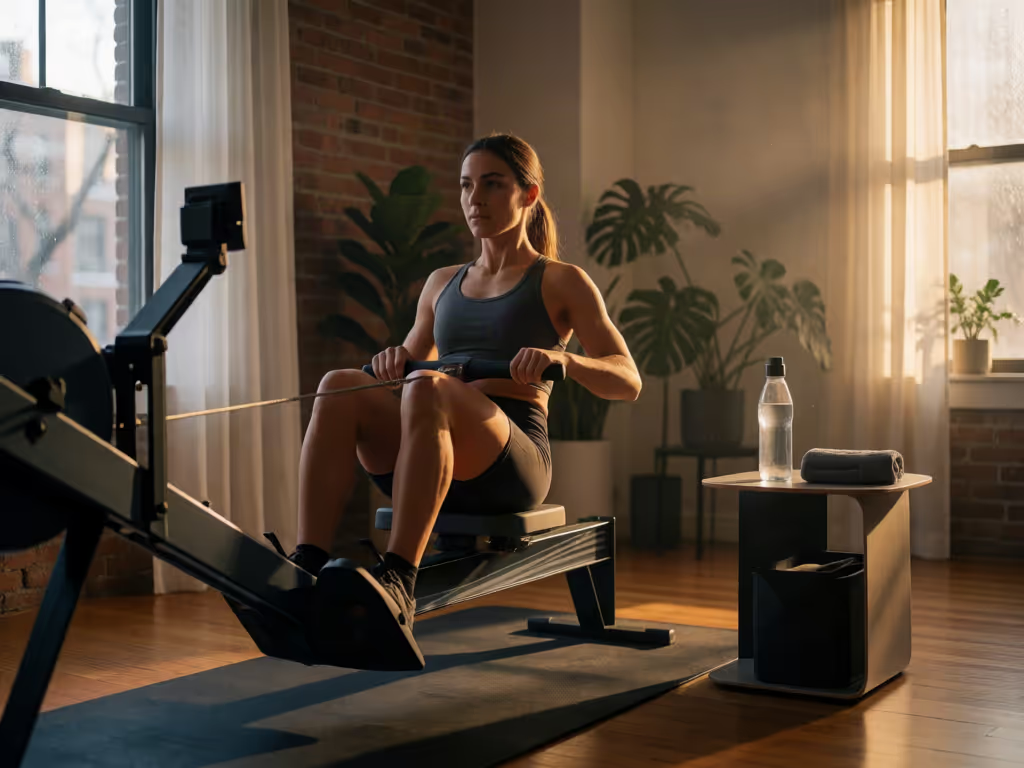
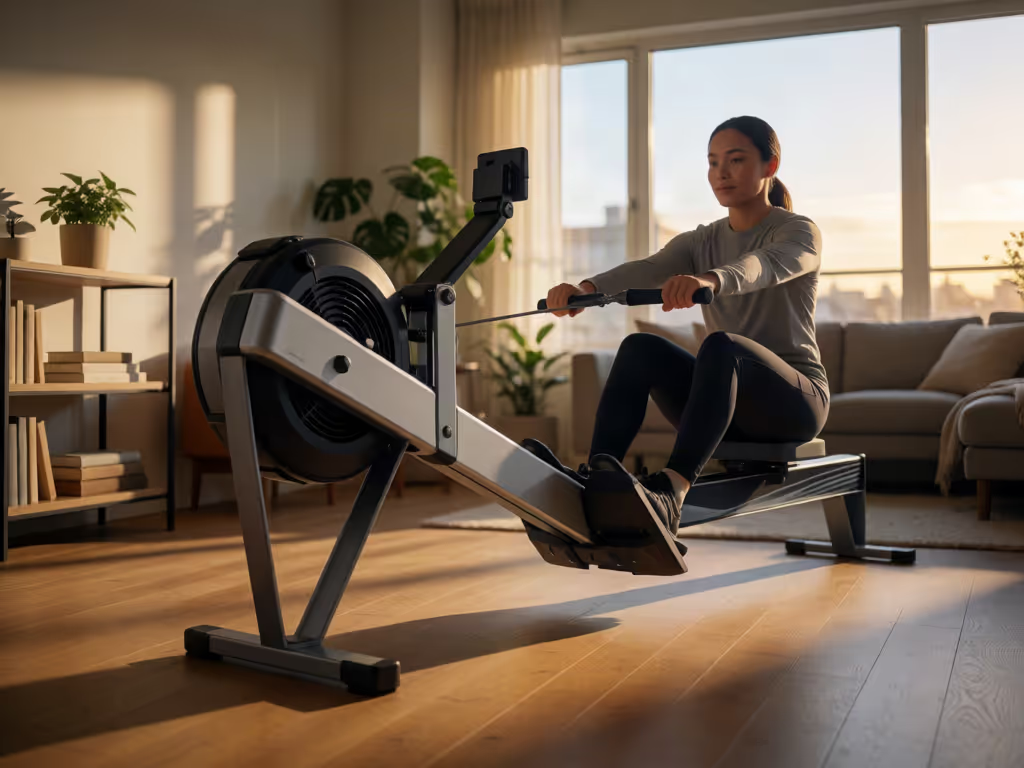
At the finish (when the legs are extended), Concept2's proper rowing form guidance places the handle lightly below the ribs, with low shoulders, a relaxed grip, and flat wrists. It also describes the hands moving in a straight line toward and away from the flywheel.
Use these plain cues:
Manufacturer-published RP3 guidance similarly recommends a relaxed but secure grip, naturally wrapped fingers, and a neutral wrist. Its advice is useful as a technique cue, though it is not proof that one grip style prevents blisters.
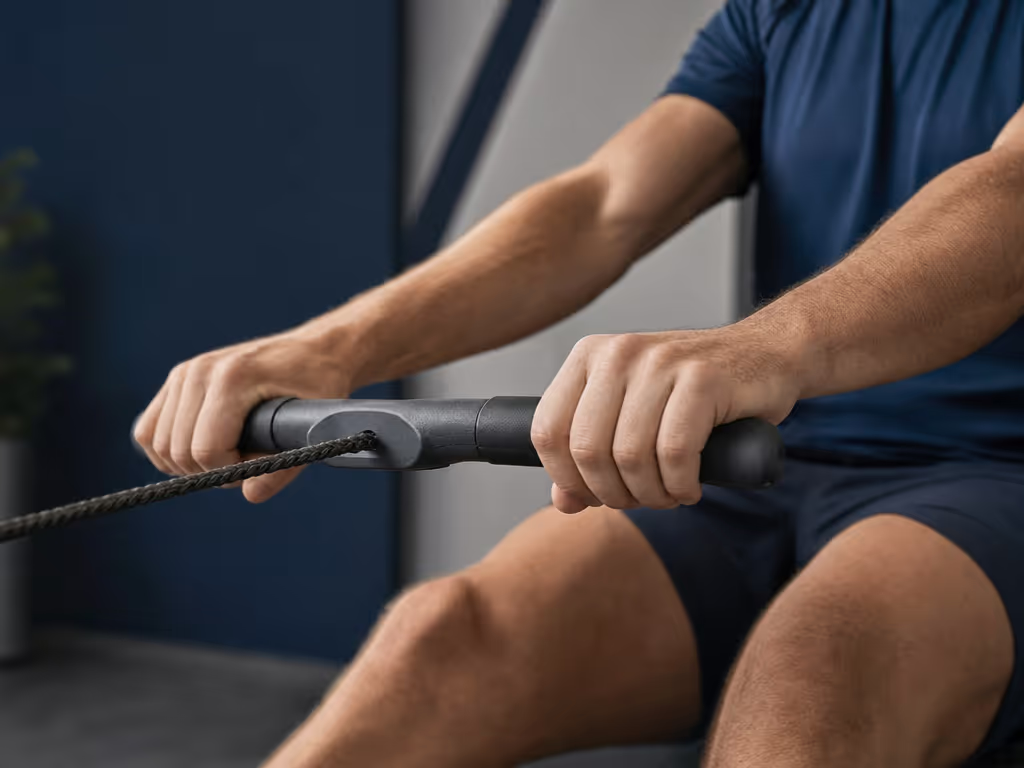
Over-gripping can feel safer when you are tired or pushing a hard interval. Manufacturer-published RP3 guidance associates over-gripping with increased friction and pressure on the hands, hand and forearm fatigue, and less fluid stroke motion.
Try this short self-check during an easy row:
A location-specific hot spot is more useful than a vague verdict that the handle is "bad." It tells you what to change and lets you retest it.
Home rowers often track pace, heart rate, and distance. Add a few low-tech comfort metrics before a small irritation becomes a workout-stopper:
Change only one item for the next row: your effort level, your focus on relaxed fingers, gloves, or the condition of the handle. Multiple changes at once make it hard to know what helped.
I learned that lesson after a persistent back twinge interrupted my own rowing routine. Looking at hip and ankle positions, rather than simply rowing through it, showed that rail height and foot setup were not serving my proportions. Small interface changes made the stroke feel repeatable again. Hands deserve the same measured attention: a handle problem may be a hand-contact problem, but it may also be a whole-stroke tension problem.
British Rowing advises keeping hands clean and washing with soap and water. It also recommends hand cream to help keep skin supple and limit chapping or dry skin.
Timing matters. Moisturizer immediately before a session can make hands slippery, so the same guidance suggests using it in the evening or before bed instead. That gives dry or chapped skin some care without turning the handle into a sliding surface during your workout.
Gloves are a personal choice. They may be useful if your hands become very sweaty, but they are not a guaranteed way to prevent blisters, and they should be kept clean. Test them on a shorter, easy session first. For other comfort-focused upgrades, review these rowing machine accessories that can improve grip, noise control, and overall home-rowing comfort.
Pay attention to the result: do they reduce rubbing, or do they bunch and create a new pressure point? Personal response can differ.
Because repeated shear cycles affect friction-blister risk, use your comfort metrics as you build duration. Maintain the relaxed grip cues rather than assuming you need to squeeze harder as fatigue rises.
An ergonomic label alone does not guarantee fit or blister prevention. One study of 29 young competitive rowers tested a specific irregular-hexagon handle, with a 1:1.25 width-to-length diameter ratio. Participants reported greater handle-shape and grip comfort than with a regular handle, while upper-limb movement, neuromuscular measures, and rowing performance were maintained.
That is a promising comfort finding, not a universal buying rule. The study did not measure blister incidence or long-term outcomes, involved experienced competitive rowers rather than a broad home-rowing population, and disclosed that the handle was patented and one author was connected to the patent owners.
So if you are considering a different handle shape, judge it with a repeatable trial:
Compatibility is equally important. Replacement handles are not interchangeable by default; check your specific machine manufacturer's documentation before changing hardware. If you want to customize an existing machine without replacing it, explore these DIY rower modifications for comfort and performance improvements.
This guide is about reducing friction and improving handle comfort, not diagnosing or treating an injury. Pause and seek prompt medical help if a blister area develops increasing pain, redness, pus, or warm/inflamed skin (signs that can indicate infection).
For routine prevention, the useful first move is simpler: reduce the rubbing source, keep hands clean, and give damaged skin time rather than repeatedly loading the same spot.
Use a relaxed but secure hold with fingers naturally around the handle. At the finish, keep the handle lightly below the ribs, shoulders low, and wrists flat. Aim for the hands to travel straight toward and away from the flywheel.
There is no evidence-backed universal winner for grip width, diameter, material, or shape. A light grip and flat or neutral wrists are the most dependable starting points. Then use your own hot-spot location, onset time, and next-day skin response to refine the setup.
No single handle is most ergonomic for everyone. A specific irregular-hexagon design improved perceived comfort in one study of 29 expert rowers, but that result does not prove that every ergonomic handle is better or that it will prevent blisters. Prioritize a handle that supports stable contact and flat wrists for your body.
A comfortable rowing machine handle grip is not a cosmetic detail; it is part of whether a rower earns a regular place in a small-space routine. Start with a light hold, flat wrists, and a straight hand path. Track where friction begins, adjust one variable, and retest at an easy effort.
From there, explore the rest of your contact points - seat comfort, foot placement, rail height, and reach - with the same patience. The row that feels good enough to repeat is usually the one that builds the most useful consistency.