Comparisons & Buying Guides
Apartment Rower Space Comparison: Precise Measurements
6th May•10 min read
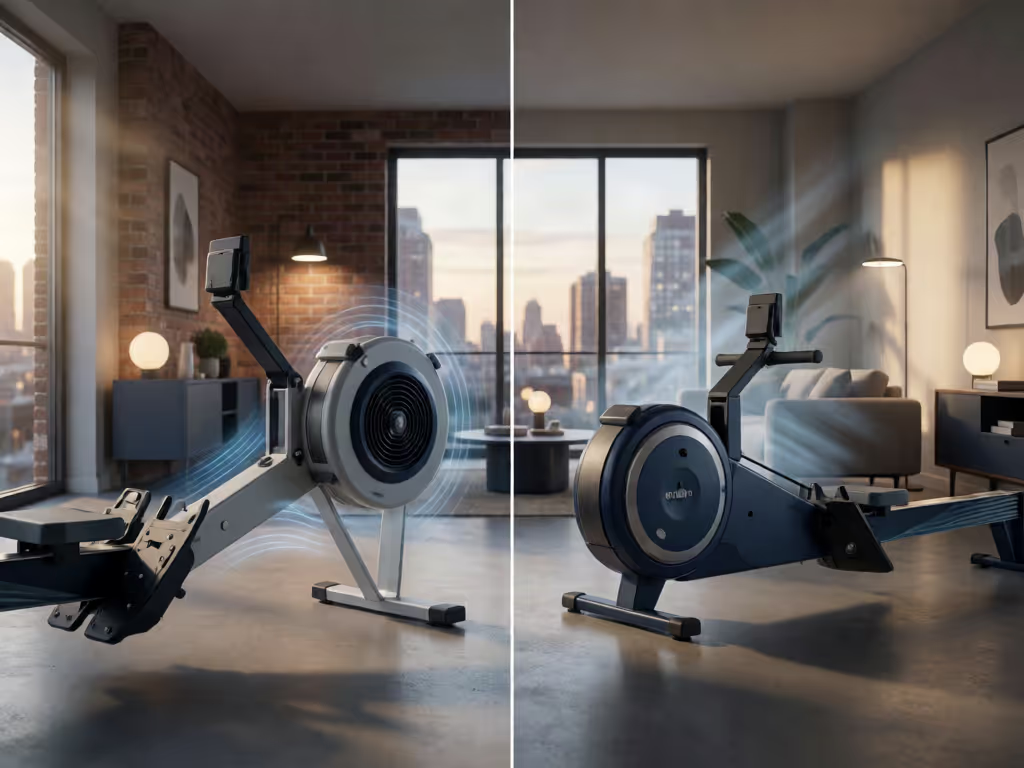
Manufacturer guides characterize magnetic rowers as quieter, with resistance generally fixed at the selected setting. Choose an air rower if you prefer resistance that rises with faster, harder pulls and can accept fan noise.
Important: Published noise ranges are manufacturer-reported, not independently tested or universal. Whichever system you choose, stop when fatigue prevents proper form, since poor technique can contribute to strain.
Magnetic rowing machine reviews often lead with "quiet." For a small home, that label does not answer the decision by itself. The useful comparison here is mechanical: air and magnetic resistance systems produce resistance differently—air resistance rises with how fast and hard you pull, while magnetic resistance is generally held at the setting you select. That difference affects resistance response and sound character.
Manufacturer guides characterize magnetic resistance as quieter and generally fixed at a selected setting. For people who want resistance that responds directly to each stroke, an air rower has a distinct appeal, but its fan is typically the audible trade-off. The right choice is the one whose resistance response, volume, and contact points make 20-40 minute sessions repeatable. Good fit turns discipline into a habit you actually keep.
Here is the cleanest decision rule:
Both systems can be approachable for beginners. The more consequential question is whether the resistance behavior helps you practice a calm, controlled stroke rather than encouraging you to rush.
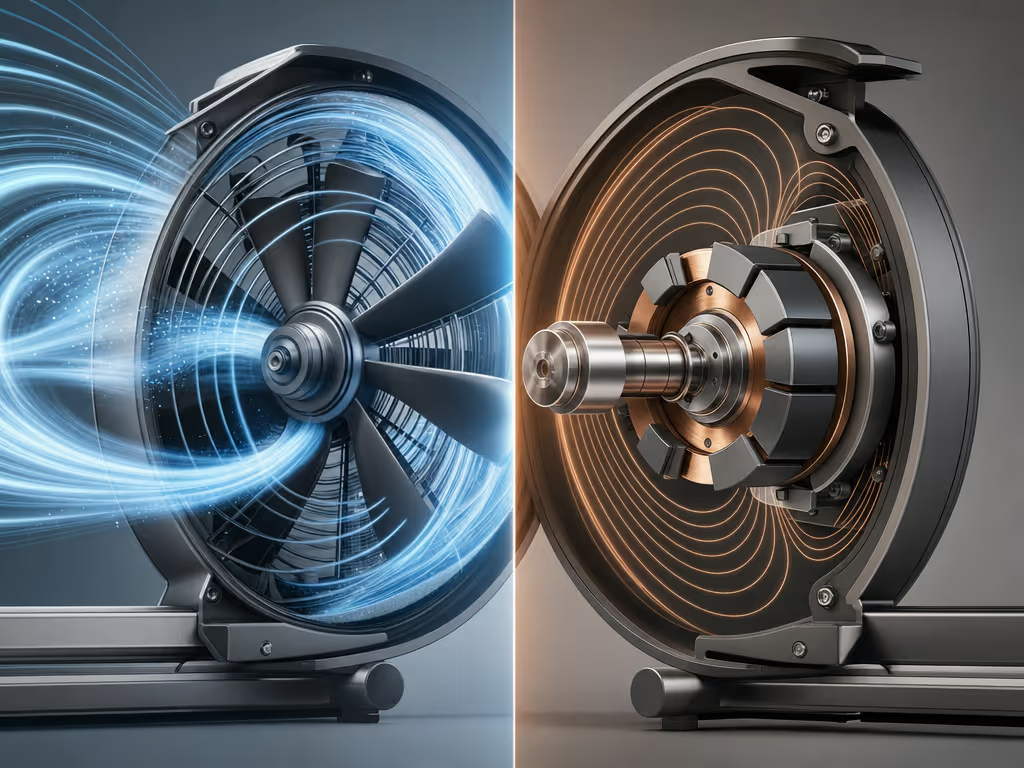
An air rower uses a fan flywheel that displaces air. Pull faster and harder, and resistance increases. That creates an effort-responsive experience: a deliberately more powerful drive produces more resistance without first changing a numbered setting.
Many air rowers also have a damper that changes airflow to the flywheel. Think of that as an airflow adjustment, not a universal difficulty scale. A damper setting on one machine cannot be assumed to equal the same workload on another.
For technique practice, the feedback can be very clear: a rushed drive makes the flywheel work harder, while a smoother, more controlled stroke changes the sensation. The same moving air that produces that response also produces fan sound. That is why air is often the harder fit for late-night use in a sound-sensitive building.
A magnetic rower positions magnets near a flywheel to create resistance. Manufacturer guides describe the resistance as generally fixed at the chosen setting rather than naturally rising just because you pull harder. Programmed machines can be an exception, so check how a specific console handles automatic resistance before assuming it behaves like every other magnetic model.
This can be useful when you want a predictable work block: set the level, then focus on rhythm, stroke length, and breathing. It is a different feedback loop from air resistance, not an inferior one.
A quiet, predictable rower you use consistently is a better home solution than a more dramatic-feeling machine you avoid using.
Manufacturer comparison guides generally characterize magnetic rowers as quieter and air rowers as noisier because of the fan mechanism. One published manufacturer table lists typical ranges of 40-55 dB for magnetic and 70-80 dB for air rowers. Treat those as broad, publisher-reported reference points (not universal measurements). The comparison does not disclose a test protocol, model list, microphone distance, room conditions, or independent verification.
That distinction matters. Sound at the machine is only one part of apartment friendliness. The available evidence does not establish how either resistance type will behave in a particular room or building.
Instead of treating a dB claim as a guarantee, use it as a prompt to test the full setup: For model-specific measurements, see our apartment rower noise and vibration data before making a final choice.
The goal is not silence; it is a repeatable routine that does not create friction at home.
Rowing uses both the upper and lower body on every stroke and is generally considered low impact compared with high-impact exercise. Low impact does not mean proper rowing form is optional. Poor posture or incorrect technique can lead to strain, with low-back discomfort identified as a common concern.
I learned this the tedious way after a small back twinge interrupted what had been a stress-relieving routine. The solution was not chasing a tougher setting. It was profiling the interfaces: where my feet landed, how the seat supported me, and whether I could finish each stroke without forcing position. Small changes can matter more than maximum watts.
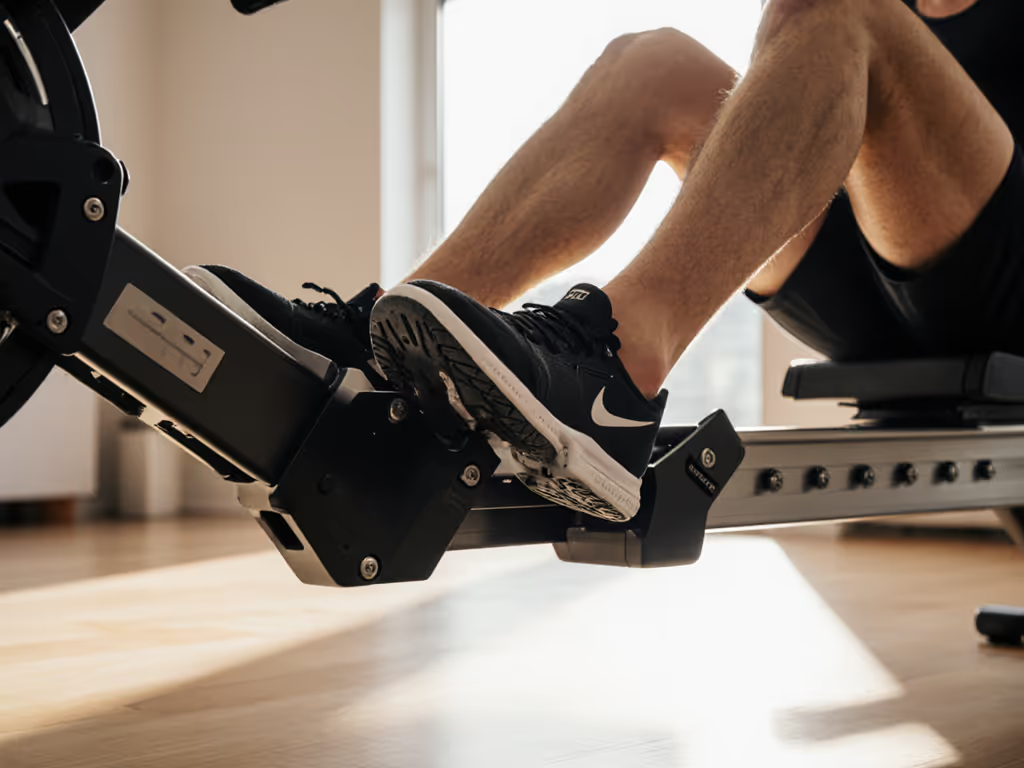
Before committing to the best rower machine for home, for your body and room, assess these contact points on the exact machine:
Do not force a particular body position because it looks like someone else's rowing video. Start with a range of motion you can control. Stop when fatigue prevents you from maintaining proper form. Adjust once, enjoy every session is not a promise that one adjustment fits forever; it is a reminder to make the setup easy to return to.
For beginners, the strongest buying signal is not the number of resistance levels. It is whether the system teaches you what you prefer.
Neither category makes technique automatic. Keep the first sessions short enough that you can preserve control. A rower should feel like coordinated work, not a contest with the resistance setting.
Before buying, identify what the machine actually supports for the way you train. Consider open connectivity options before committing to a smart platform.
Ask the seller or manufacturer for clear answers to these practical questions:
A model-by-model review process should also consider durability, adjustment options, console or connectivity features, smoothness, stability, and data reliability (not just the resistance system). Those are sensible comparison categories because they affect daily use.
Before ordering, write down answers rather than relying on a product page impression:
They can be a strong match when you value generally fixed resistance at a selected setting and a quieter sound character. They are not automatically better for every person: some rowers prefer air resistance because it rises with faster, harder pulling. Compare the system to your space and stroke preference rather than looking for a universal verdict.
In this air-versus-magnetic comparison, the key trade-offs are fan noise on air systems and the less effort-responsive feel of generally fixed magnetic settings. More broadly, poor posture or incorrect technique during indoor rowing can contribute to strain, so finish a session when you can no longer maintain controlled form.
If you can try both resistance types, use the same simple test: row at an easy, sustainable effort, then add a few more deliberate strokes. Notice how the resistance changes and whether your feet, seat, handle, and back remain comfortable. Repeat at the time of day you would actually train.
That small experiment will tell you more than a glossy "quiet" badge. Explore the resistance response, measure the room, and choose the machine that makes your next session feel easy to begin.